
Ledger® Live Wallet— Getting Started™ | official Ledger™ Live App
Explore Ledger Live wallet essentials, including Ledger device connection, account setup, digital asset monitoring, supported applications, transaction management, and wallet protection practices.
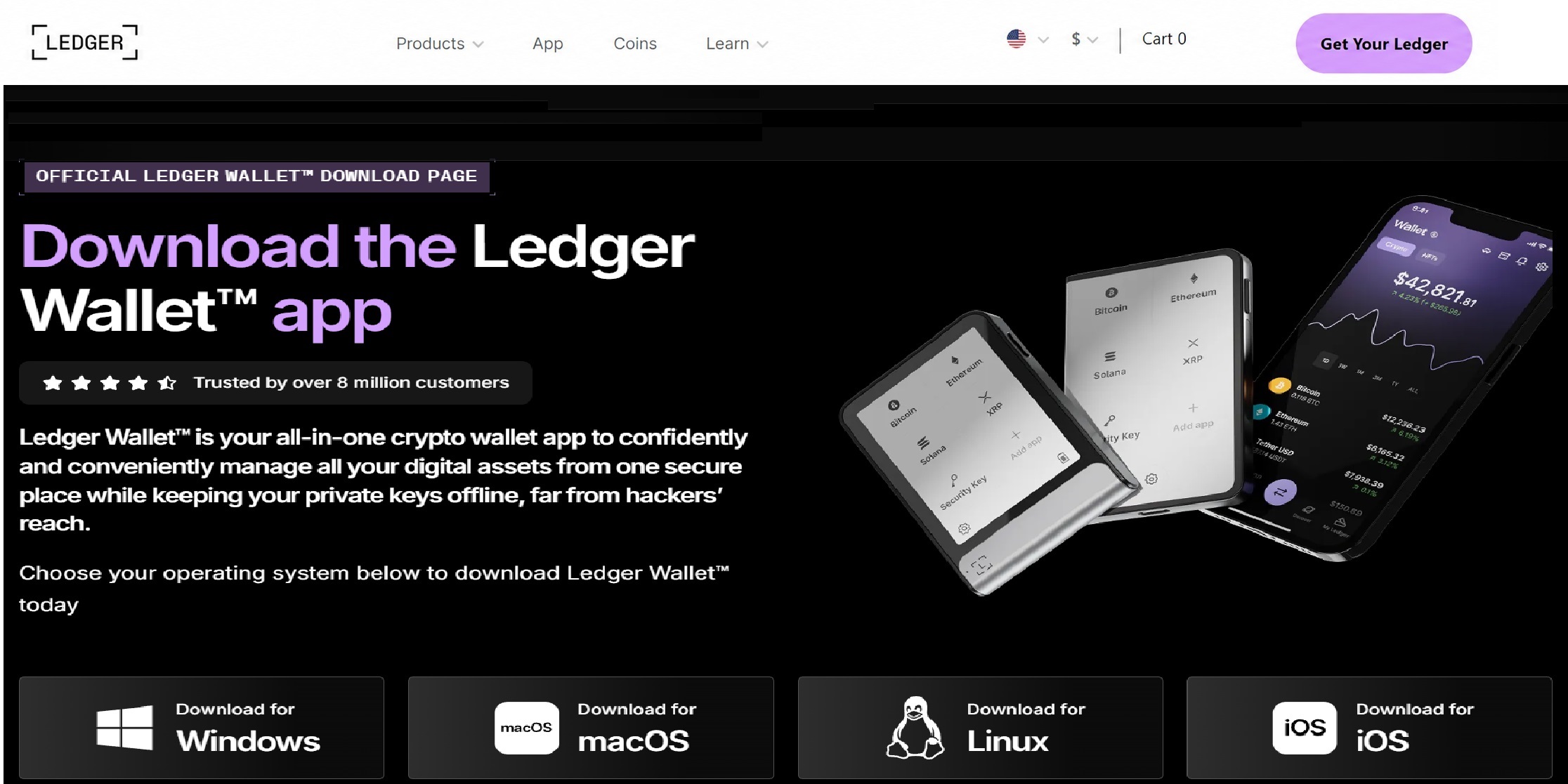
Ledger Live Wallet: Complete Guide to Managing Your Digital Assets
Ledger Live Wallet provides a software interface for users who manage supported cryptocurrency accounts with compatible Ledger hardware wallets. It brings account management, portfolio information, transaction activity, device connectivity, and supported crypto services together in one ecosystem.
For people searching for Ledger Live Wallet, Ledger Live, Ledger wallet, or Ledger wallet app information, understanding how the software works alongside a physical Ledger device can make the setup and management process easier.
What Is Ledger Live Wallet?
Ledger Live Wallet refers to the wallet-management experience provided through Ledger's software ecosystem. Rather than functioning as a standalone hardware wallet, Ledger Live works with compatible Ledger devices to provide an interface for managing supported cryptocurrency accounts.
Through the application, users can access supported accounts, review balances, monitor transaction activity, and perform other available wallet-management functions.
The exact features depend on the Ledger hardware model, operating system, supported blockchain network, and current software version.
How Ledger Live Wallet Works
A Ledger hardware wallet and Ledger Live serve complementary roles.
Ledger Live provides the interface displayed on a computer or supported mobile device. The physical Ledger device remains an important component for security-sensitive operations and transaction authorization.
This means users can interact with their accounts through the software while using the hardware wallet when an operation requires physical confirmation.
Getting Started With Ledger Live Wallet
To begin using Ledger Live Wallet, users should first obtain a compatible Ledger hardware wallet and install the appropriate Ledger software from an official source.
After installing the application, connect the hardware wallet and follow the onboarding instructions.
The setup process may include device verification, security configuration, account creation, and installation of supported blockchain applications.
Always follow instructions displayed by the official software and physical Ledger device.
Create and Manage Ledger Accounts
Once the Ledger device is ready, users can add compatible cryptocurrency accounts through the software.
Accounts allow users to organize supported digital assets and review information such as balances and transaction history.
The assets available through Ledger Live can vary depending on the Ledger device and current software support.
View Portfolio Information
Ledger Live Wallet can provide a centralized view of supported accounts and portfolio information.
Users can review balances and monitor account activity from the application instead of accessing each supported account through separate interfaces.
Displayed portfolio values may change as cryptocurrency prices and blockchain balances change, so users should treat market values as dynamic information.
Send Cryptocurrency With Ledger Live
Ledger Live can support sending transactions for compatible assets.
Before sending cryptocurrency, carefully review the destination address, network, amount, and applicable transaction information.
When the transaction requires hardware confirmation, review the information displayed on the physical Ledger device before approving it.
Because blockchain transactions can be irreversible, carefully checking the details before confirmation is important.
Receive Cryptocurrency
Receiving cryptocurrency through a Ledger-managed account generally involves providing the appropriate receiving address to the sender.
Always verify the address before sharing it. When supported, compare the address shown in the software with the information displayed on the Ledger hardware device.
Do not assume that an address is correct simply because it was copied from an unfamiliar source.
Ledger Live Wallet Security
Security remains an important part of managing cryptocurrency.
Download Ledger software only from trusted official sources. Keep your hardware device protected and never share your PIN or recovery information.
Be cautious of websites, emails, social-media messages, and applications that imitate Ledger branding or claim that your wallet requires urgent verification.
A legitimate wallet-management process should not require you to disclose your private recovery phrase to an unknown person.
Protect Your Recovery Phrase
The recovery phrase associated with a self-custody wallet is extremely sensitive.
Keep it offline and store it in a secure location. Do not upload it to cloud storage or enter it into websites, online forms, email messages, or chat conversations.
If someone obtains your recovery information, they may potentially be able to restore access to the associated wallet.
Ledger Live Wallet and Hardware Security
One of the key characteristics of the Ledger ecosystem is the interaction between software and hardware.
Ledger Live provides the user interface for supported wallet activities, while the hardware device can be used to authorize security-sensitive actions.
This separation allows users to review transaction information on the physical device before confirming supported operations.
Installing Supported Apps
Different blockchain networks can require different applications on a compatible Ledger device.
Ledger's software can provide tools for installing and managing supported applications. The available options depend on the device model and current software compatibility.
Keep sufficient device storage available and follow the application's instructions when installing or removing supported applications.
Ledger Live Login and Access
Users sometimes search for Ledger Live login when looking for instructions to access the Ledger application.
Ledger Live is not simply an online wallet that can be fully controlled with a username and password. For supported operations, the physical Ledger device remains an important part of the authorization process.
If an unexpected website asks for your recovery phrase during a supposed Ledger Live login or account verification process, do not provide it.
Keep the software and hardware device under your direct control.
Keeping Ledger Live Updated
Software updates can provide compatibility changes, improvements, and new features.
When an update is available, use the official Ledger application or trusted Ledger resources. Avoid downloading supposed updates from unknown websites or unsolicited messages.
After an update, check that your Ledger hardware wallet is detected correctly before performing important operations.
Best Practices for Ledger Live Wallet Users
Use official Ledger software.
Keep your recovery phrase private and offline.
Protect your hardware wallet and PIN.
Verify cryptocurrency addresses before sending or receiving funds.
Review transaction details on the physical Ledger device before approving them.
Avoid suspicious links and unofficial wallet applications.
Keep supported Ledger software updated through trusted sources.
These habits can help reduce common risks associated with cryptocurrency wallet management.
Final Thoughts
Ledger Live Wallet provides a convenient interface for managing supported cryptocurrency accounts while working alongside compatible Ledger hardware wallets. Users can view account information, monitor portfolio activity, manage supported applications, and prepare transactions through the software.
For anyone searching for Ledger Live Wallet, Ledger Live, Ledger wallet app, or Ledger Live login information, the most important principle is to keep the software, physical hardware, and recovery information protected.
Use trusted Ledger resources, carefully verify transactions, and never disclose private wallet recovery information.
Updated about 4 hours ago